
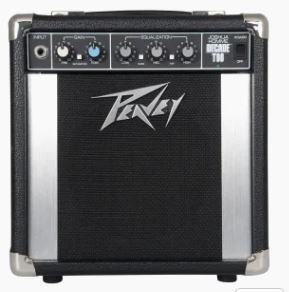
How to Choose Good Guitar Amps on an Affordable Budget
Many players think a strong guitar tone comes only from expensive equipment. That idea spreads easily, especially when professional musicians show large stage setups and premium gear. Yet the truth is simpler. A well-made amplifier at a reasonable price can still deliver satisfying tone and dependable performance.
Technology has improved, and manufacturers now build solid equipment for players at every level. The challenge is learning which features actually affect sound and which ones simply increase cost. In this blog, you will learn how to spot practical features and choose an amplifier that supports your playing without stretching your budget.
What to Look for When Buying Budget Guitar Amps
The trick of buying good guitar amps that are affordable lies in knowing where to focus your attention. When you understand the main parts that shape sound, the decision becomes much clearer. Instead of chasing expensive gear, you begin looking at how the amplifier fits your playing style and environment.
Understand Your Playing Needs First
Many players practice at home, sometimes in a small room or apartment. In that situation, a compact amplifier often works best. Smaller units produce enough volume without filling the room with overwhelming sound. They also take up less space and move easily when needed.
Rehearsals with a band create different needs. You may need more projection so your guitar sits clearly in the mix. A slightly more powerful amp helps your sound stay present beside drums and bass.
Recording setups introduce another factor. Clear tone and quiet operation matter more than raw volume. When you know how and where you will use the amp, the search for good guitar amps becomes easier and far less confusing.
Pay Attention to Wattage and Volume
Wattage numbers appear on every amplifier, yet many beginners misunderstand what they mean. Higher wattage does not always mean better tone.
Lower-wattage amplifiers usually suit home practice. They reach comfortable levels without pushing too much sound into the room. Many players also prefer how small amps respond when played at moderate volume.
Higher wattage becomes useful when you rehearse with a band or perform in larger spaces. Extra power helps the amplifier remain clear as the volume rises. The sound stays defined rather than strained.
Think about your normal playing environment. A smaller amplifier may actually give you more control and better tone during everyday practice.
Evaluate Tone Controls and Built-In Effects
Tone controls shape the character of your guitar sound. Even simple amplifiers include basic adjustments that allow you to shape the signal.
Most models include three main controls. Bass adjusts low frequencies. Mid controls body and warmth. Treble changes brightness and clarity. Small adjustments to these knobs can shift the overall character of your tone.
Some budget amplifiers also include built-in effects. Reverb often appears first. It adds depth and a sense of space to the sound. Other amps include delay or distortion settings, which allow you to experiment with different tones without extra pedals.
These features expand your options while keeping your setup simple. Still, the main sound of the amplifier matters more than added effects. A clear base tone gives you a stronger starting point.
Consider Speaker Size and Sound Projection
The speaker inside an amplifier shapes how sound fills a room. Different sizes produce slightly different results.
Small speakers, often around eight inches, suit practice setups very well. They keep the amplifier compact and easy to carry. The sound stays focused, which works nicely in smaller rooms.
Larger speakers, such as ten or twelve inches, create a fuller tone. Low frequencies become more noticeable, and the sound spreads further across a space. These speakers often perform better during rehearsals or small live performances.
Think about where you will use the amplifier most often. Larger speakers offer depth, while smaller ones remain practical for everyday playing.
Build Quality and Durability Matter
Even affordable equipment should feel solid. A reliable amplifier lasts longer and performs consistently during regular use.
Take a moment to inspect the cabinet. A sturdy housing protects the internal components. Knobs and switches should feel stable when you turn them. Input jacks should hold cables firmly without wobbling.
These details may seem small, yet they affect the overall experience. A well-assembled amplifier handles transportation and frequent use more comfortably.
When the build feels dependable, you gain confidence in your equipment. That confidence matters during practice and performance.
Compare Value Rather Than Just Price
Many players search for the lowest price available. That approach sometimes leads to disappointment later. A slightly higher price may include better tone controls, stronger construction, or useful built-in effects. Those additions can make the amplifier far more enjoyable to use.
When comparing options, think about how the amp will serve you over time. Consider sound quality, portability, and flexibility. A balanced combination of these elements often brings greater satisfaction than simply choosing the cheapest option. Value comes from how well the amplifier supports your playing.
Conclusion
Affordable gear continues to improve as manufacturers refine their designs and production methods. Players today have more choices than ever before, and many of them deliver impressive sound without a large investment. When you understand wattage, speaker size, tone controls, and build quality, you begin to see how different amplifiers serve different purposes.
That knowledge helps you make thoughtful decisions instead of chasing price tags or trends. With a little attention and patience, finding good guitar amps that match your budget and playing style becomes a realistic and rewarding step in your musical journey.


0 Comments